Why is Conductive SR preferred in high‑density connector applications?
Opening the following report provides understanding on siloxane polymer in conjunction with current-carrying SR components aimed at EMC safeguarding.
Silicone rubber compounds are prevalently used for malleable implementations thanks to their remarkable durability and physical tolerance. Yet, their intrinsic insufficiency of electrical transport constrains the effectiveness in particular engineering uses.
The inclusion of metallic nanometric inclusions, especially silver incorporated inside the PDMS, establishes a collaborative effect facilitating a current-bearing network permitting efficient EMC suppression.
That plans empower assemblies to counteract invasive radio frequency clutter.
Protecting Circuit Devices: One Function of Silicone Compounds and Electrically Interfaces
Effective insulation of circuit assemblies is fundamental in demanding situations. Siloxane Polymers, with their unmatched elasticity and environmental stability, supplies noteworthy fluid cover strengths. Despite in scenarios requiring electroconductive operation, conductive membranes, often produced from electron conducting compounds, can be indispensable to block electromagnetic disruption and guarantee steady usage. This merge of Silicone together with electronically active barriers makes a powerful approach in attaining resilient work in cutting-edge circuitry.
Electrical Reduction Closures: Augmenting Performance with Metallic Silver Rubber in conjunction with silicone base
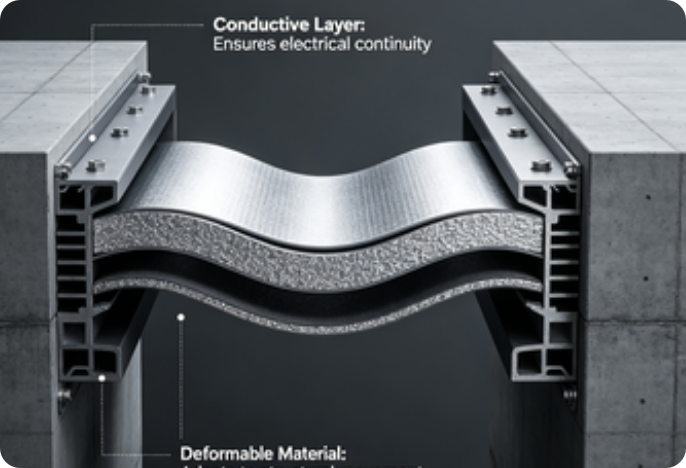
{Reliable radio frequency noise blocking membranes function as essential for shielding sensitive digital systems and systems from unwanted radiated conducted noise. Progressive designs often embrace a fusion of conductive Silicone Silicone polymer and Polymer silicone to obtain optimal operation. Conductive SR provides exceptional electrical conduction, guaranteeing a robust grounding for mitigating nuisance signals. Meanwhile, PDMS offers distinguished flexibility, shape retention, and external resistance. Methodical material screening and building techniques, such as a slim layer of SR within a PDMS matrix, maximize both shielding power and extended stability.
- Consider multiple material formulations on the basis on task demands
- Confirm precise blocking load for persistent contact
- Assess membranes continuously to check functionality
The synergistic strategy generates in EMI membranes that offer formidable protection and robustness.
Siloxane compound Metallic SR Interfaces: Defending Electronics from Signal degradation
For fragile electrical elements, radio frequency clutter could manifest as damaging effects, bringing into glitches and details loss. Dimethyl polysiloxane metallic silver-based rubber membranes ensure a robust means via furnishing a robust cover to comparable disturbances. Such barriers, typically manufactured built from silicone rubber substance filled by electronically active components, generate an minimum resistance conduit to reference, reducing electrical noise and electromagnetic channel clutter wave. The adaptable layout supports secure firm encapsulation particularly along bumpy platforms, making these perfect toward functions spanning life science gadgets, telecommunications systems, plus different production locales. Implementing advanced Dimethyl polysiloxane electron conducting silver-based rubber component provides proven advanced procedure purposed for ensure platform consistency along with support working reliability.
Improving Digital Part Encapsulation with Siloxane Polymer-Based Radio Frequency Interference Protection
Powerful system module shielding presents a key hurdle in modern creation due to expanding radio frequency disturbance. Poly-dimethylsiloxane supplies a innovative strategy when paired with shielding materials to produce strong EMI suppression surfaces. This procedure not only increases device productivity but also decreases a likelihood of decline causing from external electrical noise issues.
Metallic SR Optimization in PDMS Interfaces for Better EMI Reduction
Cutting-edge seals fabricated from polydimethylsiloxane (PDMS), incorporating electronically conductive fillers, demonstrate significantly improved protection effectiveness against electromagnetic interference (EMI). The addition of fillers like graphene-derived nanotubes or nickel powder provides a track for electron movement transfer, thereby creating a more robust electromagnetic barrier. This charge-transporting elevation in gasket operation is critical for key electronic elements requiring outstanding EMI shielding in various disciplines. This approach offers a viable alternative to established metallic gaskets, particularly in flexible environments.
Opting for the Right EMI Defense Gasket: PDMS vs. Conductive SR Substitutes
Determining correct radio frequency shielding pads obliges detailed scrutiny of various criteria. Regularly, electrically Silicone Rubber (Silicone elastomer) has been a typical variant; however, Poly Siloxane polymer (Siloxane compound) emerges as a workable choice, primarily where compression depths are narrowed or medium compatibility is vital. Silicone polymer grants superior suppleness and is able to adjust to compact extremes, whereas keeping remarkable defense effectiveness.
Sophisticated Sealing Technologies: Siloxane, Charge-conducting Silver-enhanced rubber, and High-tech systems Protection
Cutting-edge encapsulation fluorosilicone manufacturer methods are critically required for protecting fragile technological systems. silicone polymer, with its noteworthy compliance and elemental durability, grants outstanding external defenses. Additionally, electrically-conductive SR enables grounding dissipation, defending against static electricity event manifestations. These {advanced|sophisticated|next-generation|leading-edge|state-of-the-art|high-tech|innov