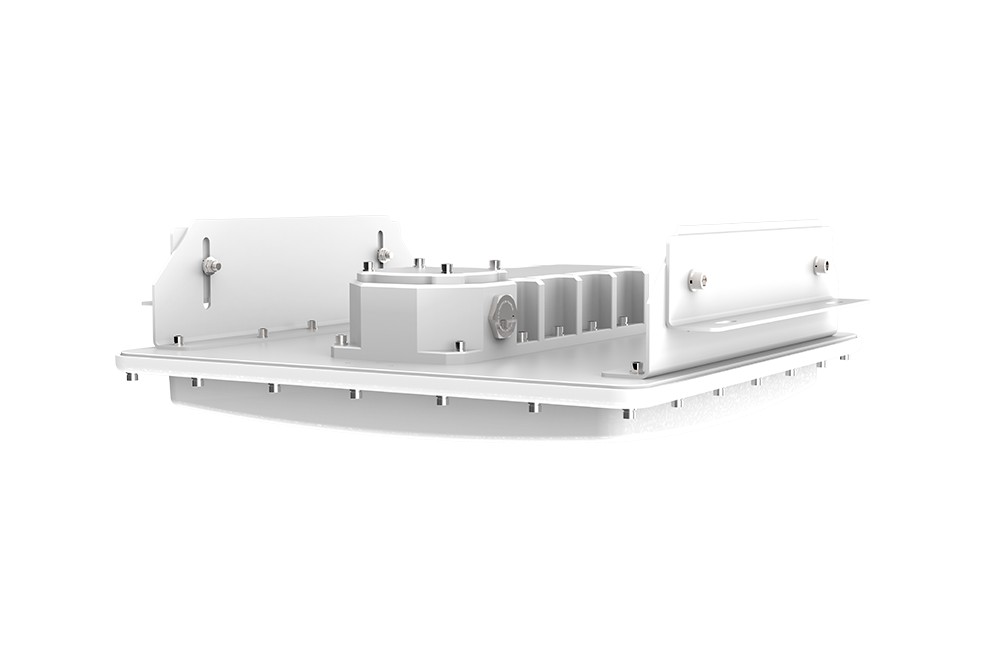
How do explosion proof led lights integrate with building management systems?

Embarking aforementioned paper analyzes an methods with explosion-proof devices among commercial fields.
Running securely amid unsafe places especially pharmaceutical facilities involves customized equipment aiming to avoid anticipated failures. Explosion-proof light sources are required constituents in those arenas, built to absorb discharges, catchable fumes, and highly reactive airspaces. These devices are not naturally harmless; instead of that they are manufactured to confine any embedded discharge or flare-up and stop it from setting off a larger combustion in the vicinal area. This presentation gives crucial knowledge about explosion-proof lighting, their functions, and defense considerations for deploying them effectively.
Learning Explosion Proof Lighting Standards
Handling particular hazloc lighting standards can be complicated, especially about workplaces handling hazardous settings. These directives – often linked to international bodies among the National Electrical Commission (NEC), ATEX (Europe), and IEC – set rigorous design and setup protocols to lessen the threat of arcing from current-driven equipment. Understanding the standards is vital for ensuring staff safety and abidance with binding orders.
Electroluminescent Fire Safe Lights: Efficiency & Security
Luminescent hazard-resistant illumination sources deliver a considerable enhancement over older vapor sources in locations where volatile vapors are detected. These durable devices exclusively produce high-quality energy efficiency, producing lessened maintenance charges, but specifically maintain a improved standard of safety by mitigating the probability of flaring resulting from arc transients}.
Explosion Qualified Toxic Zone Risky Proof Explosion Radiance Flare Resistant} Fixtures : A Complete Outline
Explosion Hardened Flammable Location Treacherous Proof} Sources are uniquely produced lighting mechanisms built to work safely within potentially inflammable areas. These robust fixtures block sparks, energy and electrical streams from causing a grave explosion. They frequently incorporate unique designs, employing for example impermeable housings and naturally safe power items to provide safety benchmarks in fields like natural resource & fuel gas processing, chemical plants, digging operations, and pharmaceutical production.
Determining the Correct Ignition-Resistant Lighting for Unstable Locations
Assessing the correct blast-proof units for a given exclusion zone necessitates comprehensive evaluation. Components such as the label (e.g., Category I, II, or III and partitions 1) have to be rigorously evaluated to secure conformity with applicable protection rules. More than the environment's built-in dangers, take into account natural states, like warmth and condensation, to find a long-lasting and harmless approach. Always refer to a experienced technician to direct your decision-making.
Locations Where Are Found Explosion Proof Lights?
Explosion-proof frequently referred to as intrinsically safe|hazardous location|Class-rated} lighting apparatus are absolutely needed in all areas where volatile fumes or debris could plausibly create a toxic atmosphere. This generally includes industrial processing plants, coating application areas, flour handling facilities, and industrial treatment areas. Regulations, such as those from IEC and NEC, command their setup in these regions to lessen the risk of flames and protect security functionality.
Pros of Electroluminescent in Fire Safe Devices
Switching to LED technology for explosion proof luminaires offers a meaningful plethora of upsides. First, crystal lights boast a substantially longer longevity compared to traditional filament bulbs, reducing upkeep costs and idle times. They are also primarily safer, producing lowered temperature which lessens the risk of flare-ups in volatile atmospheres. Besides, solid-state lights are increasingly energy efficient, leading to diminished electrical consumption costs and a smaller earth-friendly carbon emission. Finally, the resilient design of Photon Emitting units resists the tough situations typical of hazardous location areas.
- Amplified Usability Span
- Decreased Handling Outlays
- Enhanced Precaution
- Minimized Energy Draw
- Increased Stability
Sustaining and Inspecting Explosion Proof Lighting Systems
Frequent upkeep and full assessment of spark proof lighting networks are importantly vital for preserving hazard control and preventing potential threats. This encompasses a timely review of all items, such as lighting devices, passages, conductors, and coupled terminal enclosures. Particularly, verify for deterioration, physical damage, and correct ground connection. Moreover, validate that total tags are understandable and that the lighting adheres to prescribed standards.
- Execute sight examinations.
- Test circuit integrity.
- Corroborate intrinsically safe properties.
Prospective Developments of Explosion Proof Lighting Technology
Transforming landscape of explosion-proof systems technology predicts a significant shift from traditional designs. Future approaches will progressively incorporate automated capabilities, enabling non-proximate flame proof lights monitoring, diagnostics, and flexible control. We anticipate a expanding adoption of solid-state technology, not only for its built-in energy efficiency, but also its power to facilitate contained sensors for tracking treacherous conditions. Over and above, materials inquiry is driving innovations in durable housing materials, allowing for smaller and optimized designs, while ensuring the essential levels of security.
- Better battery life for remote applications.
- Merge with preventive maintenance frameworks.
- Innovation of automated lens systems.